Understanding Men's Health
Men's health encompasses a wide range of physical, mental, and emotional well-being topics specifically relevant to male physiology and lifestyle. At Men's Health Guide, we provide comprehensive, medically-reviewed information to help men make informed decisions about their health journey.
Physical Fitness and Exercise
Regular physical activity forms the cornerstone of optimal men's health. Engaging in consistent exercise not only helps maintain a healthy weight but also significantly reduces the risk of chronic diseases including cardiovascular disease, type 2 diabetes, and certain types of cancer. The Centers for Disease Control and Prevention recommends that adults engage in at least 150 minutes of moderate-intensity aerobic activity or 75 minutes of vigorous-intensity activity per week, combined with muscle-strengthening activities on two or more days.
Strength training, in particular, offers unique benefits for men. As testosterone levels naturally decline with age, maintaining muscle mass becomes increasingly important for metabolic health, bone density, and functional mobility. A well-rounded fitness routine should include compound movements such as squats, deadlifts, bench presses, and rows, performed with proper form to maximize benefits while minimizing injury risk. Progressive overload, adequate rest between sessions, and proper nutrition form the three pillars of effective strength development.


Cardiovascular Wellness
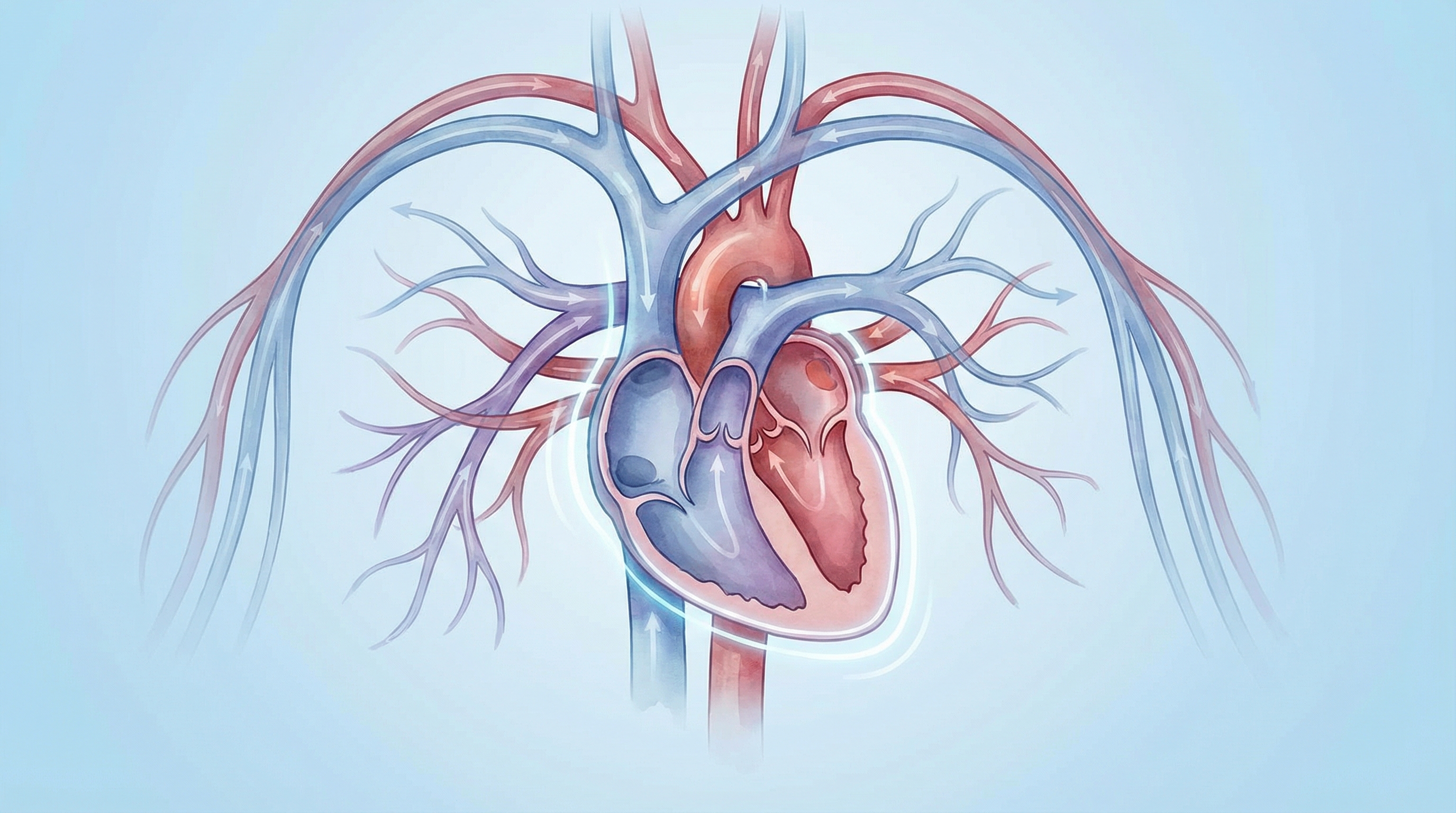
Cardiovascular disease remains the leading cause of death among men worldwide, making heart health a critical focus area for male wellness. Understanding the risk factors and implementing preventive measures can significantly reduce the likelihood of developing heart-related conditions. Key modifiable risk factors include hypertension, high cholesterol, smoking, obesity, physical inactivity, and diabetes.
Regular cardiovascular screening becomes essential as men approach their forties. These evaluations typically include blood pressure measurements, cholesterol panels, blood glucose testing, and body mass index calculations. Early detection of abnormalities allows for timely intervention through lifestyle modifications or medical treatment. Adopting a heart-healthy diet rich in fruits, vegetables, whole grains, lean proteins, and healthy fats while limiting saturated fats, trans fats, and sodium forms the dietary foundation for cardiovascular wellness.
Aerobic exercise plays a vital role in maintaining heart health by improving circulation, lowering blood pressure, and enhancing the heart's efficiency as a pump. Activities such as brisk walking, cycling, swimming, and jogging at moderate intensity for at least 30 minutes most days of the week provide substantial cardiovascular benefits. High-intensity interval training has also gained recognition for its efficiency in improving cardiovascular fitness and metabolic health within shorter timeframes.
Mental Health and Emotional Well-being
Mental health represents an equally important dimension of men's overall wellness, yet societal expectations and traditional masculine norms often discourage men from seeking help or discussing their emotional struggles. Depression, anxiety, and stress-related conditions affect millions of men globally, but only a fraction seek professional support. Recognizing the signs of mental health challenges and understanding that seeking help represents strength rather than weakness forms the first step toward emotional well-being.
Chronic stress, if left unaddressed, can lead to a cascade of health problems including high blood pressure, weakened immune function, digestive issues, and sleep disturbances. Developing effective stress management techniques such as mindfulness meditation, deep breathing exercises, progressive muscle relaxation, or engaging in hobbies and activities that bring joy can significantly improve stress resilience. Regular physical exercise remains one of the most effective natural remedies for stress and anxiety, releasing endorphins and providing a healthy outlet for tension.
Quality sleep plays a fundamental role in both physical and mental health, yet many men sacrifice sleep for work or entertainment. Adults require seven to nine hours of quality sleep per night for optimal cognitive function, emotional regulation, and physical recovery. Establishing consistent sleep schedules, creating relaxing bedtime routines, and optimizing sleep environments can dramatically improve sleep quality and overall well-being.
Preventive Healthcare and Regular Check-ups
Preventive healthcare represents an investment in long-term wellness, potentially catching health issues before they develop into serious conditions. Regular medical check-ups allow healthcare providers to monitor vital health indicators, identify risk factors, and recommend appropriate interventions. The specific tests and screenings recommended vary based on age, family history, and individual risk factors.
For men in their twenties and thirties, focus should be on establishing healthy habits, maintaining appropriate weight, and ensuring vaccinations are current. Blood pressure monitoring, cholesterol checks, and testicular exams form the basic preventive care routine. Men in their forties and fifties should additionally undergo prostate screening discussions with their healthcare providers, colon cancer screening, and more frequent cardiovascular risk assessments.
Testicular self-examinations can help detect testicular cancer at early, highly treatable stages. Prostate health becomes increasingly important with age, with discussions about prostate-specific antigen testing typically beginning around age 50, or earlier for those with family history of prostate conditions. Building a trusting relationship with a primary care physician facilitates open communication about sensitive health concerns and ensures comprehensive preventive care.
Expert-Reviewed Content
All information published on our platform undergoes rigorous review by qualified healthcare professionals to ensure accuracy and reliability.
Evidence-Based Approach
We cite peer-reviewed research and established medical guidelines, avoiding pseudoscience and unverified claims common in the wellness space.
Holistic Wellness
Our resources address physical, mental, and emotional health aspects, recognizing the interconnected nature of overall well-being.
Nutrition and Dietary Guidelines
Proper nutrition serves as fuel for the body, directly influencing energy levels, cognitive function, physical performance, and disease prevention. A balanced diet for men should provide adequate protein for muscle maintenance and repair, complex carbohydrates for sustained energy, healthy fats for hormone production and brain function, and a full spectrum of vitamins and minerals through diverse food choices.
Protein requirements for men, particularly those engaged in regular exercise, typically range from 1.6 to 2.2 grams per kilogram of body weight. Quality protein sources include lean meats, poultry, fish, eggs, dairy products, legumes, and plant-based alternatives. Timing protein intake throughout the day and consuming protein-rich meals post-exercise can optimize muscle protein synthesis and recovery.

Hormonal Health and Testosterone
Testosterone plays a crucial role in male development, influencing muscle mass, bone density, fat distribution, red blood cell production, libido, and sperm production. While testosterone levels naturally decline with age at a rate of approximately one percent per year after age thirty, various factors can accelerate this decline or contribute to abnormally low testosterone levels.
Symptoms of low testosterone may include fatigue, decreased muscle mass, increased body fat, reduced libido, difficulty concentrating, mood changes, and sleep disturbances. However, these symptoms can also result from other medical conditions, making professional evaluation essential for accurate diagnosis. Testosterone replacement therapy may be recommended for men with clinically diagnosed deficiency, though it carries potential risks and requires careful monitoring.
Natural strategies for supporting healthy testosterone levels include maintaining a healthy body weight, engaging in regular resistance training, ensuring adequate sleep, managing stress effectively, and consuming a nutrient-dense diet with sufficient zinc, vitamin D, and healthy fats. Avoiding excessive alcohol consumption, minimizing exposure to endocrine-disrupting chemicals, and maintaining optimal vitamin D levels through sun exposure or supplementation can also support hormonal balance.
Men's Health by the Numbers
Understanding statistics highlights the importance of prioritizing men's health and seeking appropriate care.
1 in 5
Men experience a mental health condition
48%
Men are more likely to skip regular check-ups
70%
Heart disease deaths preventable with lifestyle changes
50+
Age to begin regular prostate screenings